
CBD vs. THC: What Each One Does and When to Use Them
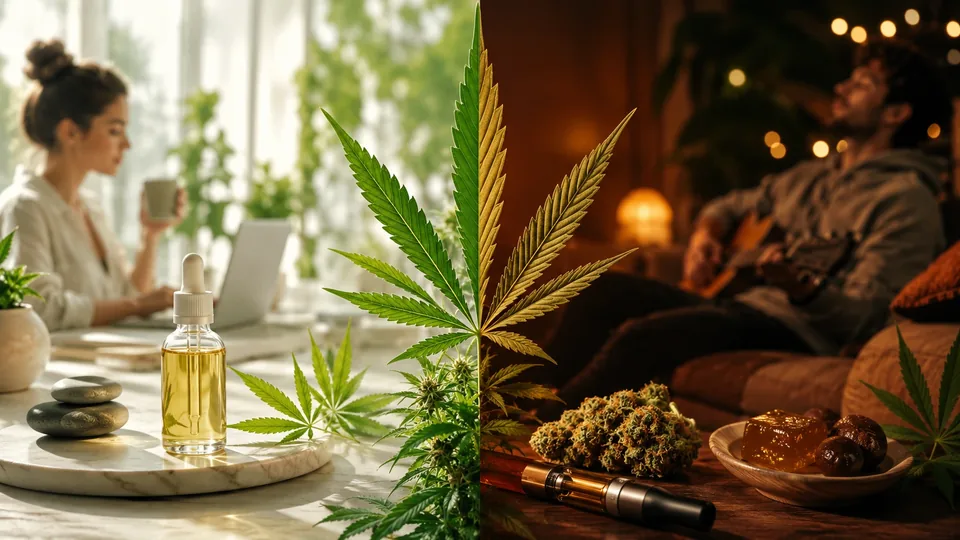
CBD and THC are the two most well-known compounds in cannabis. You see them listed on every product label, referenced in every strain description, and mentioned in nearly every conversation about cannabis. But a lot of people are still fuzzy on what actually separates them.
Does CBD get you high? Can you use them together? Which one is right for what you are trying to accomplish? These are the questions that matter when you are standing in front of a dispensary menu trying to choose a product.
Here is a clear breakdown of CBD and THC, what each one does, and how to decide which to use.
The Basics: Two Different Cannabinoids
Cannabis contains more than 100 compounds called cannabinoids. THC and CBD are the two most abundant and the most studied.
THC (tetrahydrocannabinol) is the primary psychoactive compound in cannabis. It is what produces the “high” that people associate with cannabis use. THC binds directly to receptors in your brain and nervous system, which creates the euphoric, mind-altering effects.
CBD (cannabidiol) is non-psychoactive. It does not produce a high. CBD interacts with your endocannabinoid system differently than THC, influencing it in ways that do not alter your perception or mental state. You can take CBD and feel its effects without feeling intoxicated.
Both come from the same plant, but they affect your body in very different ways.
What THC Does
THC is responsible for the classic cannabis experience. Its effects include:
Euphoria and mood elevation. THC can produce feelings of happiness, relaxation, and general well-being. This is the recreational appeal for many users.
Altered perception. Time may feel slower, colors may seem brighter, music may sound richer. THC changes how you experience sensory input.
Physical relaxation. Many people use THC to relax their body, ease tension, and unwind after a stressful day.
Appetite stimulation. The “munchies” are a well-known effect of THC. It increases appetite, which is one reason it is used by people dealing with appetite loss.
Relaxation and sleepiness. Depending on the strain and dose, THC can promote drowsiness and help with winding down, especially with indica strains.
The intensity of these effects depends on the dose. Low doses produce mild, manageable effects. Higher doses produce stronger, more pronounced effects. For newer users, THC can sometimes cause anxiety or paranoia at higher doses, which is where CBD can play a balancing role.
What CBD Does
CBD produces a different, subtler set of effects. Because it is non-psychoactive, its influence is less obvious than THC but still meaningful for many users.
A sense of calm. CBD is widely used for its calming properties. Many people report feeling more relaxed and less anxious after taking it, without any impairment.
Physical comfort. CBD is associated with easing physical discomfort and tension. This is one of the most common reasons people reach for CBD products.
No intoxication. The defining feature of CBD is that it does not get you high. You can take it during the day, before work, or in any situation where you need to stay clear-headed and functional.
Balancing THC. When taken alongside THC, CBD can moderate some of THC’s more intense effects. It may take the edge off anxiety or over-intoxication, resulting in a smoother, more controlled experience.
CBD effects tend to be gentle and cumulative rather than dramatic and immediate. Some people feel it right away, while others notice benefits more with consistent use over time.
Using Them Together: The Entourage Effect
CBD and THC are often used together, and there is a reason for that. When cannabinoids and terpenes work in combination, they can enhance and modify each other’s effects. This is called the entourage effect.
In practice, this means a product with both CBD and THC may produce a different experience than either compound alone. The CBD can soften the psychoactive intensity of THC while the THC provides effects that CBD alone does not.
Product labels often list CBD to THC ratios to help you find the right balance:
1:1 ratio (equal CBD and THC). A balanced experience. You get some of THC’s effects moderated by CBD’s calming influence. Popular among people who want mild psychoactive effects with less chance of feeling overwhelmed. Good for beginners.
High CBD, low THC (like 20:1 or 10:1). Minimal psychoactive effect. Best for people who want the benefits of cannabis without feeling high. Good for daytime use.
High THC, low CBD. Strong psychoactive effect. This is what most recreational products are. Best for experienced users or those specifically seeking the full THC experience.
Experimenting with different ratios helps you find what works for your needs and tolerance.
When to Use THC
THC is the right choice when your goal involves the psychoactive experience or the specific effects that THC provides:
Recreational enjoyment. If you want the euphoric, relaxing, mind-altering experience that cannabis is known for, THC is what delivers it.
Evening relaxation. THC, especially indica-leaning products, works well for unwinding at the end of the day. Our guide on cannabis for stress relief after work covers this in detail.
Sleep support. Many people use THC products to help with winding down and preparing for sleep.
Appetite stimulation. If you are dealing with a lack of appetite, THC’s appetite-stimulating effects can help.
Social and creative settings. Some people enjoy THC for social occasions or creative activities, though the right strain and dose matter a lot here.
THC products come in every format: flower, edibles, vape cartridges, concentrates, and pre-rolls.
When to Use CBD
CBD is the right choice when you want the benefits of cannabis without intoxication:
Daytime use. CBD lets you stay functional and clear-headed. You can take it in the morning or during the workday without impairment.
Staying productive. If you want to ease stress or discomfort while remaining sharp and focused, CBD provides support without the fog.
Managing THC sensitivity. If THC makes you anxious or you are sensitive to its effects, CBD offers an alternative that avoids the psychoactive component entirely.
First-time cannabis use. For people who are cautious about cannabis, starting with CBD is a low-risk way to explore the plant’s effects before trying THC.
Physical comfort without a high. CBD is popular for easing everyday tension and discomfort while keeping your mind clear.
You can explore the full range of CBD products to find tinctures, edibles, topicals, and other formats.
How to Choose Between Them
Here is a simple way to decide:
Choose THC if you want the psychoactive experience, you are looking for strong relaxation or euphoria, you want appetite stimulation, or you are using cannabis recreationally in the evening.
Choose CBD if you want to avoid feeling high, you need to stay functional during the day, you are sensitive to THC, or you want gentle calming effects without intoxication.
Choose a balanced ratio if you want a middle ground: mild psychoactive effects moderated by CBD, which is ideal for beginners or anyone who wants a controlled, manageable experience.
There is no universally “better” option. THC and CBD serve different purposes, and the right choice depends entirely on what you are trying to achieve and how your body responds.
Start With Your Goal
The best way to navigate CBD versus THC is to start with what you actually want. Do you want to feel relaxed and euphoric, or calm and clear-headed? Are you using cannabis in the evening to unwind, or during the day to take the edge off? Are you experienced with THC, or cautious about intoxication?
Answer those questions, and the choice between CBD, THC, or a balance of both becomes much easier. And since both are widely available at licensed dispensaries, you can experiment to find what works best for you.
Ready to explore? Browse the full Caña menu and order online for delivery across the San Fernando Valley, Silver Lake, Northridge, Hollywood, and West Hollywood. Not sure which is right for you? Reach out to the team and we will help you decide.
For adults 21 and over. Nothing in the Journal is medical advice. Keep cannabis out of reach of children and pets.
More from the Journal.
How to Tip Your Cannabis Delivery Driver (and Why You Should)
A practical guide to tipping your cannabis delivery driver, covering how much to give, how to tip, and why tipping matters for drivers and
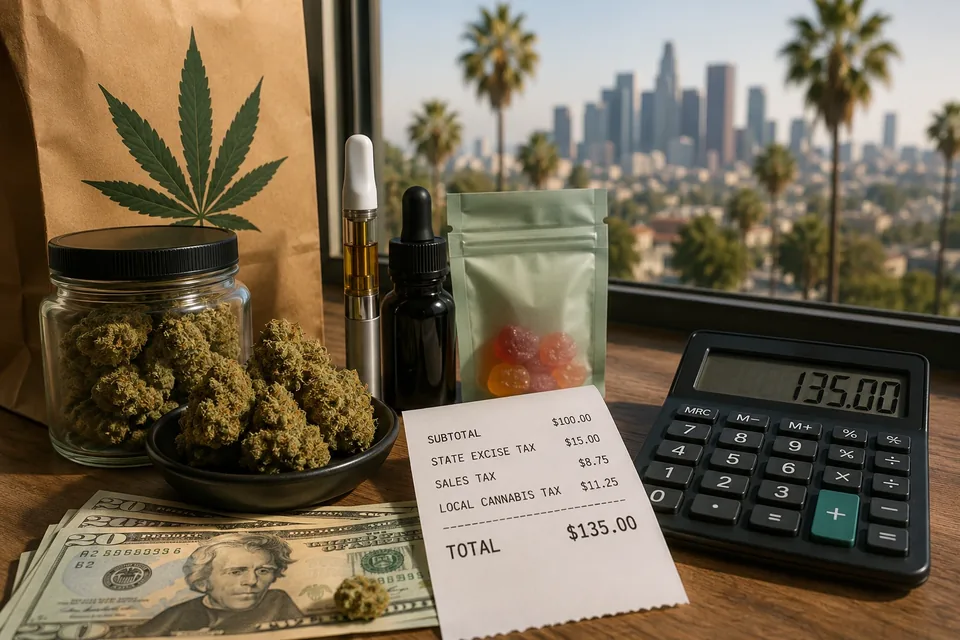
The Real Cost of Cannabis in Los Angeles: What You Pay and Where It Goes
A breakdown of the real cost of cannabis in Los Angeles, covering the layers of tax, where the money goes, and practical ways to
How to Talk to a Budtender: Questions Worth Asking Before You Buy
A guide to getting the most from a budtender, covering what to share, the best questions to ask about effects, products, and dosing, and
Four stores, open every day.
Beverly, Sylmar, Harbor City and Silver Lake. Bring a valid ID showing you are 21 or older.