
Indica vs. Sativa: What You Should Know Before Buying
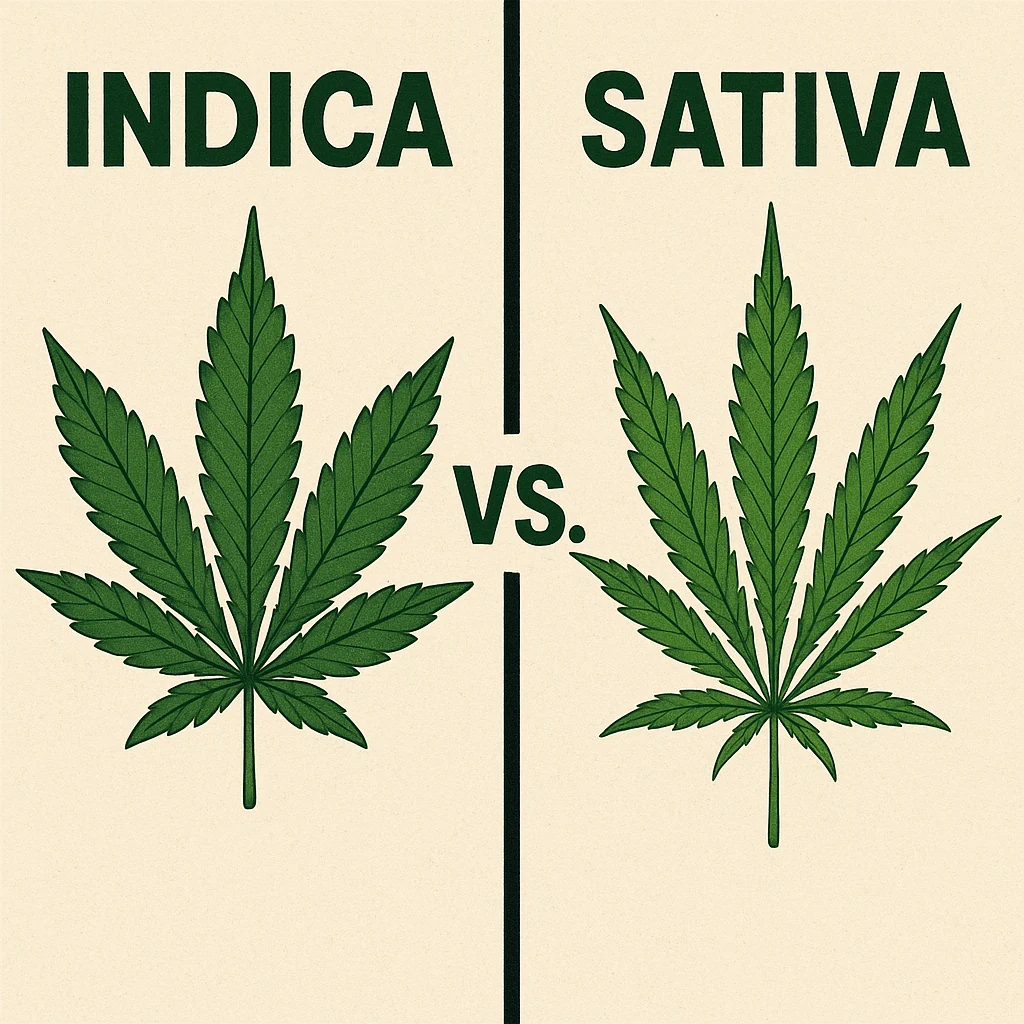
When walking into a dispensary like Cana, you’ll likely hear the words Indica and Sativa. These are the two main types of cannabis plants. Knowing the real difference helps you choose what fits best with your goals.
This guide provides a clear breakdown of Indica and Sativa—how they grow, how they feel, and what people often choose them for.
What Is Indica?
Indica plants come from areas with cold, rough climates. These plants are short, bushy, and have wide leaves. They grow faster than Sativa and tend to produce dense buds.
Indica strains are often picked by those who want to relax. The effects start in the body. Muscles may feel loose. Tension may fade. Many say it helps with sleep or pain.
Common features of Indica:
- Dense flowers
- Shorter grow cycle
- Wide, dark leaves
- More body-centered results
- Often used at night
- May help with sore joints, poor sleep, stress
Some well-known Indica names include Northern Lights, Granddaddy Purple, and Afghan Kush. Each has a different smell and taste, but all carry the same basic traits.
Cana always stocks trusted Indica strains that have been tested for strength and safety.
What Is Sativa?
Sativa plants grow tall and thin. They come from warm areas like Central America and Southeast Asia. These plants take longer to grow, and the leaves are long and narrow.
Sativa is picked by those who want a mental boost. Some say it helps with focus or creative work. It may give energy rather than slow you down.
Common features of Sativa:
- Tall plants with thin leaves
- Longer flower time
- Uplifting results
- Often used in the morning
- May help with mood shifts or low drive
- Some users say it keeps the mind alert
Popular Sativa strains include Sour Diesel, Jack Herer, and Durban Poison. These strains smell sharper and have a lighter feel than Indica.
Cana offers both pure Sativa and blends with rich taste and smooth effects. Each batch is grown with care for a clean, strong result.
Main Differences Between Indica and Sativa
| Trait | Indica | Sativa |
| Plant Size | Short and thick | Tall and thin |
| Leaf Shape | Broad leaves | Narrow leaves |
| Growth Time | Shorter flowering cycle | Longer flowering cycle |
| Effect Focus | Body | Mind |
| Use Time | Night | Day |
| Common Use Cases | Sleep, pain, stress | Energy, mood, focus |
| Climate Origin | Mountainous or cold areas | Hot, tropical areas |
Each body reacts in its own way. These traits serve as a guide, not a rule. It helps to try small amounts first.
When to Pick Indica
Indica may be a better choice if:
- Muscles feel tight or sore
- Rest is hard to find
- The day brought stress
- Appetite needs a push
- A quiet night is planned
Cana often sees buyers pick Indica for movie nights, late dinners, or bedtime use.
When to Pick Sativa
Sativa may work best if:
- The day is just starting
- Focus is low
- Mood needs a lift
- You want to talk or create
- You’re outdoors or staying active
Cana customers often use Sativa before hikes, social events, or morning chores.
Indica Vs Sativa
-
Smell and Taste
Indicas often have deep, earthy, or sweet scents. Sativas may smell sharp, fruity, or sour.
Taste also plays a role. Some people choose based on flavor.
- Indica flavors: Grape, berry, wood, spice
- Sativa flavors: Lemon, diesel, mint, haze
-
THC and CBD Levels
Knowing the type (Indica or Sativa) helps, but looking at THC and CBD levels gives more info.
- THC is the part that may make you feel high.
- CBD may ease pain or calm nerves without strong head effects.
Some Indicas have high THC. Some have more CBD. The same goes for Sativa.
Here’s how it may break down:
- High THC Indica: Full body melt, drowsy
- High CBD Indica: Clear mind, deep calm
- High THC Sativa: Mental spark, rush of thought
- High CBD Sativa: Light mood lift, no buzz
Lab tests give clear results for THC, CBD, and more.
What Do Lab Tests Show?
Real data from lab tests show:
- THC in Sativas often runs between 15%–25%
- THC in Indicas can range from 12%–22%
- CBD is more common in Indicas
- Terpenes vary widely and affect how you feel
-
What About Medical Use?
Many people use Indica and Sativa for more than fun. Medical use is growing.
Indica may help with:
- Chronic pain
- Restless sleep
- Loss of hunger
- Nervous tension
Sativa may help with:
- Low mood
- Brain fog
- Fatigue
- Low drive
Each body reacts in its own way, so trials are part of the process.
Common Myths to Ignore
Myth 1: Indica means sleepy, Sativa means hyper.
Truth: Effects change from person to person. Terpenes, THC levels, and even your own habits affect how you react.
Myth 2: All Sativas boost focus.
Truth: Some may cause fast thoughts or discomfort if taken in large amounts.
Myth 3: CBD only comes from Indica.
Truth: Many hybrids and even some Sativas carry strong CBD levels.
Where to Buy With Confidence
Not every dispensary gives the same care or info. Cana focuses on clean, lab-tested, well-labeled products. Staff are trained to guide, not push.
When shopping:
- Check the label
- Ask where it was grown
- Look at THC/CBD levels
- Ask for effect reviews
- Buy in small amounts first
For adults 21 and over. Nothing in the Journal is medical advice. Keep cannabis out of reach of children and pets.
More from the Journal.

How to Tip Your Cannabis Delivery Driver (and Why You Should)
A practical guide to tipping your cannabis delivery driver, covering how much to give, how to tip, and why tipping matters for drivers and
The Real Cost of Cannabis in Los Angeles: What You Pay and Where It Goes
A breakdown of the real cost of cannabis in Los Angeles, covering the layers of tax, where the money goes, and practical ways to

How to Talk to a Budtender: Questions Worth Asking Before You Buy
A guide to getting the most from a budtender, covering what to share, the best questions to ask about effects, products, and dosing, and
Four stores, open every day.
Beverly, Sylmar, Harbor City and Silver Lake. Bring a valid ID showing you are 21 or older.