
Most cannabis consumers shop by THC percentage or strain type. Indica for sleep. Sativa for energy. The higher the THC, the better the product. That is how the logic goes for a lot of people.
But if you have ever tried two strains with the same THC level and gotten completely different effects, you have already experienced why terpenes matter. Terpenes are the compounds behind the flavor, aroma, and much of the subjective experience of each cannabis product. They are the reason one 22% THC strain makes you feel creative and alert while another 22% THC strain melts you into the couch.
Here is what terpenes are, how they work, and how to use them to pick better products.
What Terpenes Are
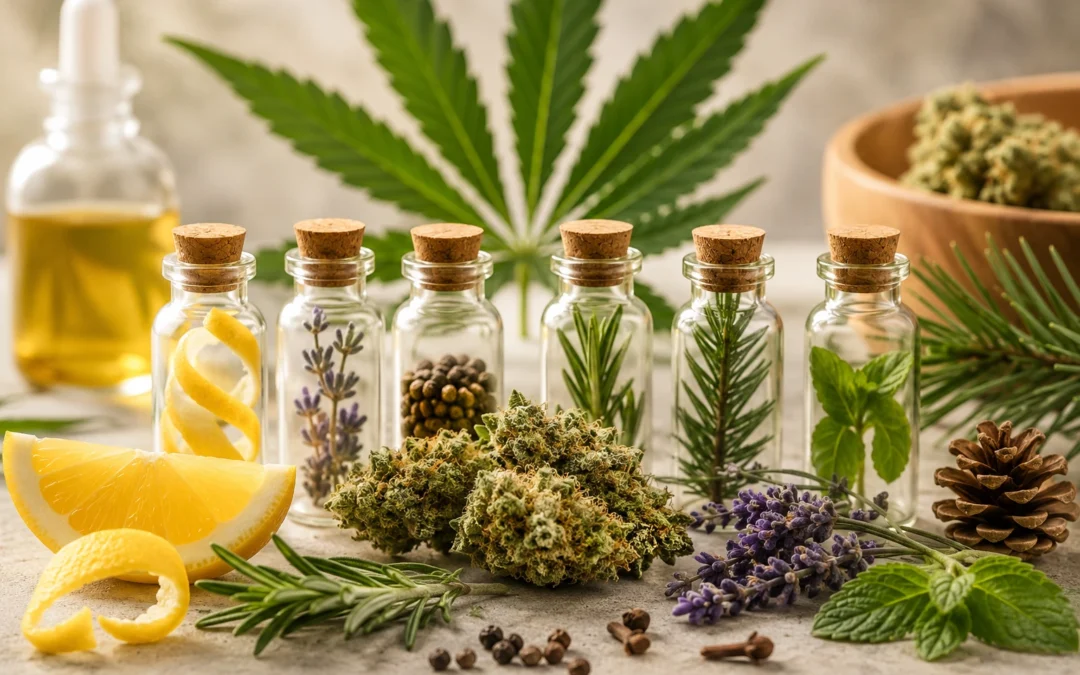
Terpenes are organic compounds produced by plants, including cannabis. They are responsible for the smell and taste of different strains. When you open a bag of cannabis and it smells like pine, citrus, fuel, lavender, or earth, you are smelling terpenes.
Cannabis plants produce terpenes in their trichomes, the same resin glands that produce cannabinoids like THC and CBD. More than 200 different terpenes have been identified in cannabis, though most strains are dominated by a handful of primary terpenes.
Terpenes are not unique to cannabis. They exist in thousands of plants and are the foundation of essential oils. Limonene is found in citrus peels. Linalool is found in lavender. Pinene is found in pine needles. You interact with terpenes constantly, whether or not you realize it.
How Terpenes Influence Your Experience
Terpenes do more than create flavor and aroma. Research suggests they actively influence how cannabis affects your body and mind.
This happens through what is often called the “entourage effect.” The idea is that cannabinoids and terpenes work together, modifying and enhancing each other’s effects. THC alone produces certain effects. THC combined with specific terpenes produces a different, often more nuanced experience.
This is why two strains with identical THC percentages can feel nothing alike. The terpene profile shapes the character of the high: whether it feels sedating or energizing, anxious or calm, physically heavy or mentally clear.
Not every aspect of the entourage effect has been conclusively proven in clinical studies, but the pattern is consistent enough across consumer experience and preliminary research that most cannabis professionals consider terpenes a meaningful factor in product selection.
The Major Terpenes in Cannabis
While cannabis contains many terpenes, a handful dominate most strains. These are the ones worth knowing.
Myrcene
Aroma: Earthy, musky, with hints of tropical fruit and herbs. Often described as “dank.”
Found in: Mangoes, lemongrass, hops, thyme.
Effects: Myrcene is the most common terpene in cannabis. It is associated with sedation, physical relaxation, and the classic “couch lock” feeling. Strains high in myrcene tend to feel heavier and more body-focused. If deep relaxation or sleep support is your goal, look for myrcene-dominant strains.
Common strains: Many indica and indica-dominant hybrids are high in myrcene.
Limonene
Aroma: Bright, citrusy, like lemon or orange peel.
Found in: Citrus fruits, juniper, rosemary.
Effects: Limonene is associated with mood elevation, stress relief, and a generally uplifting feeling. Strains high in limonene tend to feel brighter and more energetic. Some research suggests limonene may have anti-anxiety properties.
Common strains: Frequently found in sativa and sativa-dominant hybrids with citrus or tropical flavor profiles.
Linalool
Aroma: Floral, lavender, with a hint of spice.
Found in: Lavender, birch bark, coriander.
Effects: Linalool is one of the most calming terpenes. It is associated with relaxation, anxiety reduction, and mild sedation. Strains high in linalool are often recommended for evening use or for consumers who are prone to THC-induced anxiety. The presence of linalool may help take the edge off high-THC products.
Common strains: Found in various indica and hybrid strains, especially those with floral or sweet aromatic profiles.
Beta-Caryophyllene
Aroma: Spicy, peppery, woody. Think black pepper or cloves.
Found in: Black pepper, cinnamon, cloves, oregano.
Effects: Beta-caryophyllene is unique because it directly interacts with CB2 receptors in the endocannabinoid system, which are associated with inflammation and immune response. This makes it the only terpene that acts like a cannabinoid. It is associated with physical comfort, anti-inflammatory effects, and stress reduction without sedation.
Common strains: Found across indica, sativa, and hybrid strains. Often present in strains with spicy or fuel-like aromas.
Pinene
Aroma: Sharp, piney, like walking through a forest.
Found in: Pine needles, rosemary, basil, dill.
Effects: Pinene is associated with alertness, mental clarity, and focus. Some research suggests it may help counteract short-term memory impairment caused by THC. Strains high in pinene tend to feel more clear-headed and less foggy.
Common strains: Found in many sativa and hybrid strains, especially those with earthy or herbal profiles.
Humulene
Aroma: Earthy, woody, hoppy. Similar to the smell of beer hops.
Found in: Hops, sage, ginseng.
Effects: Humulene is associated with appetite suppression (unlike most cannabis, which stimulates appetite) and anti-inflammatory properties. It contributes to the earthy, grounding character of many cannabis strains.
Common strains: Often found alongside myrcene and beta-caryophyllene in earthy, indica-leaning strains.
Terpinolene
Aroma: Herbal, floral, slightly piney, with a fresh quality.
Found in: Lilacs, nutmeg, tea tree, apples.
Effects: Terpinolene is less common as a dominant terpene, but when it is present in high amounts, it is associated with uplifting, energetic effects. Strains dominant in terpinolene often have a unique, multi-layered aroma that does not fit neatly into citrus, earthy, or floral categories.
Common strains: Found in some sativa-dominant strains. Jack Herer lineage strains often feature terpinolene.
How to Shop by Terpene Profile
Most dispensary menus still lead with THC percentage and strain type. But a growing number of products now list terpene profiles, especially cannabis flower and live resin vape cartridges.
Here is a simple approach to using terpene information:
Step 1: Identify your goal. Are you looking for relaxation, energy, creativity, sleep support, or physical comfort?
Step 2: Match terpenes to your goal.
- Relaxation and sleep: Myrcene, linalool
- Energy and focus: Limonene, pinene, terpinolene
- Physical comfort: Beta-caryophyllene, humulene
- Mood lift: Limonene, terpinolene
- Anxiety reduction: Linalool, beta-caryophyllene
Step 3: Check the product’s terpene profile. Look at the dominant terpene listed first on the label or menu. That primary terpene has the greatest influence on the product’s effects.
Step 4: Experiment and take notes. Pay attention to which terpene profiles you enjoy and which ones you do not. Over time, you will build a personal preference map that makes shopping faster and more reliable.
Terpenes and Product Types
Terpene content varies across product types.
Flower has the richest and most complete terpene profile because it is the least processed form of cannabis. Smoking or vaporizing flower at low temperatures preserves more terpenes than high-heat combustion.
Live resin concentrates and cartridges preserve terpenes exceptionally well because the starting material is flash-frozen immediately after harvest. This locks in volatile aromatic compounds that would otherwise degrade during drying.
Distillate is refined to near-pure THC, and then terpenes are added back, either cannabis-derived or botanical. The resulting flavor is consistent but may not match the complexity of live resin or flower.
Edibles typically have minimal terpene impact on effects because the terpenes degrade during the cooking and manufacturing process. The effects of edibles are driven primarily by the dose and type of cannabinoid, not the terpene profile.
If terpenes are important to you, flower and live resin products give you the most authentic and complete terpene experience.
Terpenes Are the Missing Piece
THC percentage tells you how strong a product is. Terpenes tell you how it will feel. When you shop by both, you stop guessing and start choosing products that match what you actually want from the experience.
You do not need a chemistry degree to use terpene information. Start with one or two terpenes that match your goals, try a few products, and pay attention to the results. The learning curve is short, and the payoff is better cannabis experiences.
Ready to explore? Browse the Caña menu and order online for delivery across the San Fernando Valley, Glendale, Burbank, Hollywood, and West Hollywood. Need help finding a terpene profile that fits? Reach out to the team and we will point you in the right direction.